If you want your Camano Island home to stand out, preparation is not optional. Buyers often decide how they feel about a property before they ever step through the door, and in a market where inventory gives people choices, details matter. With the right plan, you can make your home feel well cared for, photo-ready, and easier to move from listing to closing. Let’s dive in.
Why preparation matters on Camano Island
As of April 2026, Camano Island had 144 homes for sale, a median listing price of $995,000, median days on market of 29 days, and a sale-to-list ratio of 100%. That tells you buyers are active, but it also suggests they have options. When several homes compete for attention, presentation can shape how quickly your home gets noticed.
Camano Island’s climate also plays a role in how you prepare. Western Washington is generally milder and wetter than eastern Washington, and nearby regional climate normals show lower rainfall from late spring through early fall. That makes this stretch of the year a practical time for exterior touch-ups, landscaping, and listing photography.
Start with repairs and maintenance
Before you think about photos or showings, handle the basics. A home that feels maintained gives buyers more confidence, and it can reduce the chance of delays once you are under contract. Small issues often feel bigger when they are left visible.
Focus first on items that affect daily function and first impressions. This can include worn caulking, dripping faucets, loose hardware, chipped paint, sticky doors, and burned-out light bulbs. If a buyer sees several unfinished details, they may assume larger maintenance has also been deferred.
Decluttering, cleaning, and curb appeal are worth special attention. In the 2025 staging report, these were among the most common recommendations sellers received. That lines up with what most buyers respond to right away: a home that feels clean, simple, and easy to imagine as their own.
Check septic requirements early
On Camano Island, many homes rely on on-site sewage systems, so this should be one of your first checklist items. Island County says conventional systems are inspected every three years, while conventional pressure systems and alternative systems are inspected annually. If the system has not been inspected within the most recent compliance period, it is due at sale.
This is not a detail to leave until the last minute. The Washington Department of Health notes that septic systems are common in rural areas, are owned by the homeowner, and that disrepair can lower property value. If your home has a septic system, gather inspection and pumping records early so you are not scrambling once a buyer is in place.
Island County also provides septic-record lookup resources. Having those records organized before listing can help prevent avoidable delays during escrow. It also shows buyers that you have taken ownership of an important part of the property.
Test a private well if you have one
If your property has a private well, build water testing into your pre-listing timeline. Washington Ecology recommends annual testing for coliform bacteria and nitrate. It also notes that many counties or lenders may require water-sampling results when a home with a private well is sold.
Because Island County classifies private wells as individual water systems, this is another area where early preparation pays off. If test results are needed, you will want time to complete them and keep the file ready for buyers and lenders. Waiting can create closing delays that were easy to avoid.
Gather disclosures and property records
Washington sellers of improved residential real property generally must deliver a completed seller disclosure statement under RCW 64.06 unless exempt. If your home was built before 1978, federal law also requires lead-based paint disclosures for most housing from that period. These documents are part of a smooth listing launch, not an afterthought.
In practical terms, it helps to collect everything in one place before your home goes live. Think seller disclosure materials, septic records, well records if applicable, and service documentation for major systems or recent work. A complete file supports a more orderly transaction and helps answer buyer questions quickly.
Stage for a calm island retreat
Camano Island buyers are often drawn to the feeling of space, ease, and a connection to outdoor living. Your staging should support that feeling. The goal is not to make your home look generic. It is to make it feel calm, bright, and easy to step into.
NAR’s 2025 staging report found that the most important rooms to stage are the living room, primary bedroom, and kitchen. Those spaces tend to carry the emotional weight of a showing. If you are deciding where to invest your time and budget, start there.
Keep interiors light and uncluttered
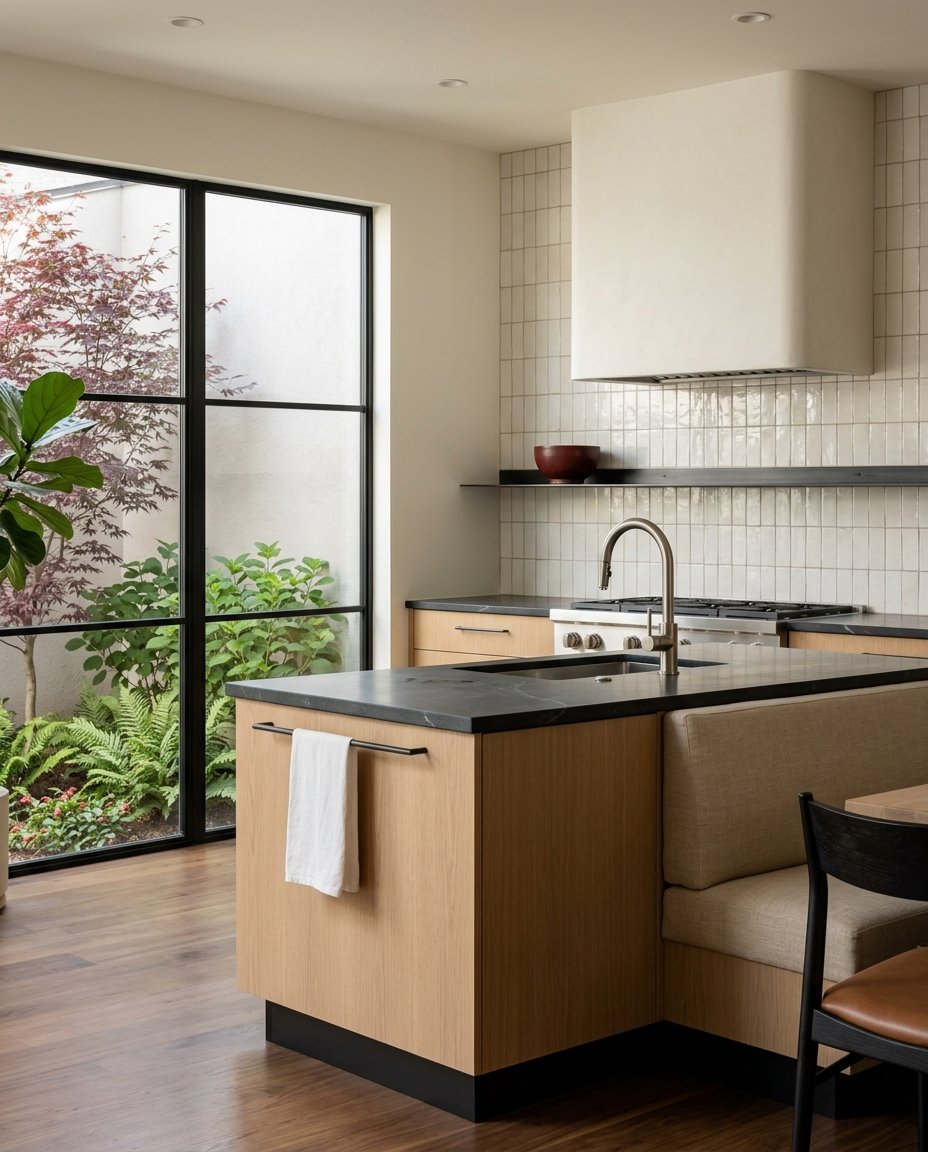
A simple interior usually reads best online and in person. Remove extra furniture so rooms feel open, pack away highly personal items, and use fresh neutral bedding and towels. Closets should look tidy rather than full, since overpacked storage can make the home feel smaller.
These recommendations closely track consumer staging guidance that emphasizes neutral paint, fewer personal items, and cleaner, more open rooms. You do not need to erase every trace of personality. You do want buyers to focus on the home itself, not on your belongings.
Treat outdoor areas like living space
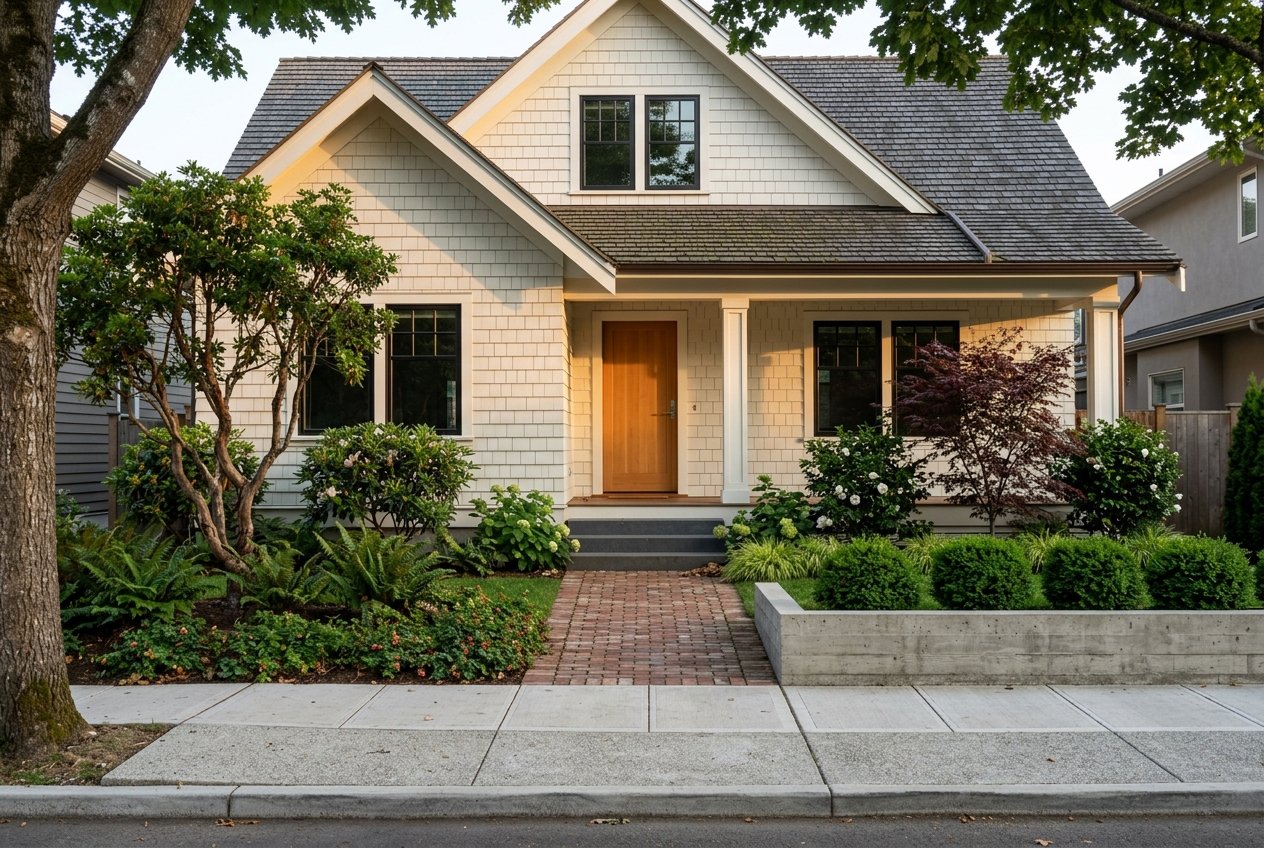
Outdoor presentation matters on Camano Island. Buyers often respond strongly to usable outdoor areas, and those spaces should be cleaned and styled with the same care as your interior. If you have a deck, patio, porch, or entry seating area, make it feel intentional.
That can be as simple as washing surfaces, arranging a few pieces of furniture neatly, and removing weathered or unnecessary items. Because outdoor living is part of how buyers experience island properties, these areas should not look like an afterthought. They should feel like an extension of the home.
Decide whether to bring in staging help
If you are considering professional support, cost can vary depending on the level of service. NAR reported a median staging-service cost of $1,500 when a professional staging service was used, compared with $500 when the seller’s agent handled staging. The right choice depends on your home, your timeline, and how much work is needed to create a cohesive presentation.
Even modest staging can make a difference. In the same report, 29% of agents said staging increased the dollar value offered by 1% to 10%, and 49% reported faster sales. In a balanced market, that kind of edge can matter.
Make your home photo-ready
For many buyers, your online listing is the first showing. NAR reports that 52% of buyers found the home they purchased online, and 81% rated listing photos as the most useful feature in their search. That means your photography is not just marketing support. It is central to how buyers decide whether to visit.
The best listing photos start before the photographer arrives. Clean every surface, open blinds where appropriate, replace dim bulbs, hide cords, and clear counters as much as possible. Outside, move bins, hoses, and vehicles out of sight if you can.
Lead with the strongest images
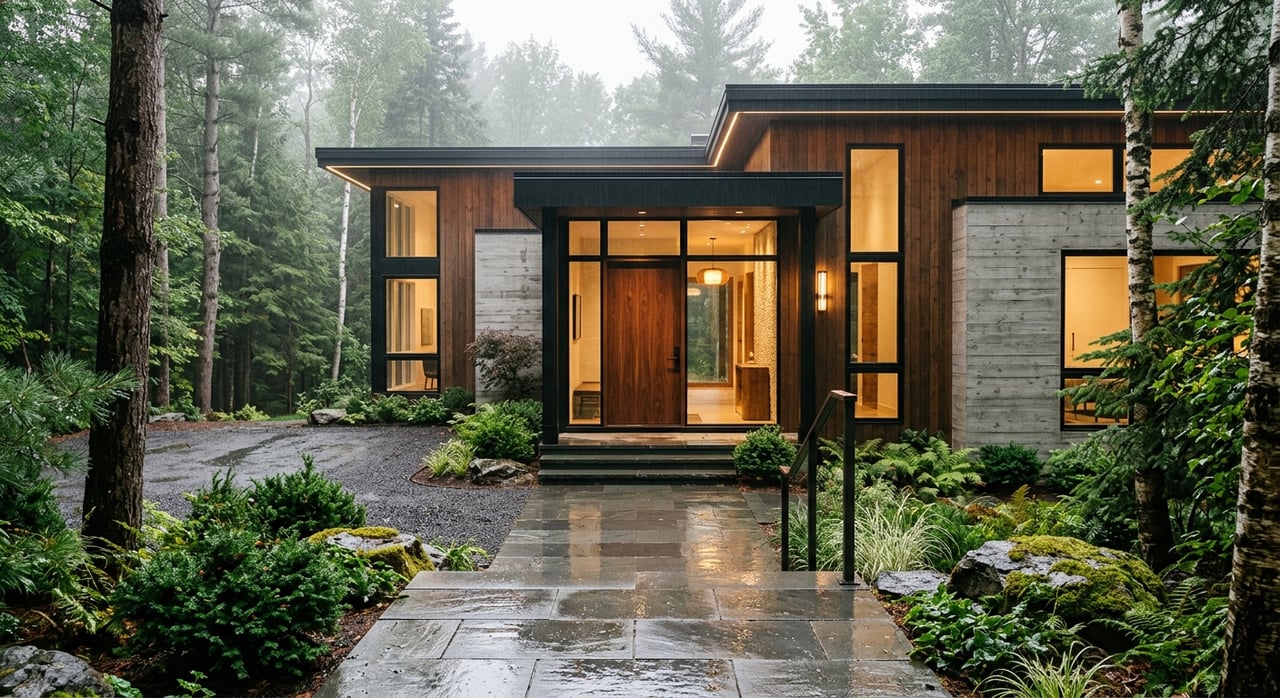
NAR advises that the lead photo sets expectations for the whole listing. Strong exterior or lifestyle images can outperform a generic room shot, and outdoor spaces should appear early in the photo sequence instead of being buried at the end. That matters on Camano Island, where buyers may be especially interested in the property’s setting and how it lives.
In other words, your image order should tell a clear story. Start with the most compelling visual, then move through the home in a way that feels logical and inviting. A clean, accurate photo sequence helps buyers connect with the property more quickly.
Time the shoot for weather and light
Because regional rainfall tends to drop from May through September, this period is often the easiest time for exterior photography and outdoor prep. Dry, bright conditions can make landscaping, decks, and exterior finishes look their best. While there is no formal rule for listing season, the climate pattern makes this window especially practical.
If you are targeting a launch in the wetter months, preparation becomes even more important. Keep walkways clear, stay ahead of moss or leaf buildup, and watch the forecast closely for your photo day. Good timing can improve the final presentation without changing the home itself.
Follow a smart launch sequence
A polished launch usually works best when each step builds on the one before it. Finish repairs first, then deep clean, then stage the key rooms, then photograph the home on a dry, bright day. Once the materials are ready, publish promptly with an accurate description and uncluttered photo order.
This kind of sequence helps you avoid repeated work and rushed decisions. It also means the home buyers see online matches the home they experience in person. Consistency builds trust from the start.
In a balanced market like Camano Island’s March and April 2026 snapshots suggest, a well-prepared listing is more likely to command attention early. That can reduce the odds of price reductions or extra concessions later. Good preparation does not guarantee an outcome, but it can improve how your home enters the market and how buyers respond.
If you are planning to sell, the best first step is to understand where your home fits in today’s Camano Island market and what level of preparation will have the biggest impact. For tailored guidance and a clear strategy, connect with Guy Tobin.
FAQs
What should you fix before listing a Camano Island home?
- Start with visible maintenance issues, deep cleaning, decluttering, curb appeal, and any property-specific items such as septic inspections or well testing if those apply to your home.
Do Camano Island homes need septic inspections before sale?
- If your home has an on-site sewage system, Island County says it is due at sale if it has not been inspected within the most recent compliance period.
Should you test a private well before selling in Island County?
- If your property has a private well, Washington Ecology recommends annual testing for coliform bacteria and nitrate, and some counties or lenders may require water-sampling results during a sale.
Which rooms matter most when staging a Camano Island home?
- NAR’s 2025 staging report found the living room, primary bedroom, and kitchen were the most important rooms to stage.
When is the best time to prepare outdoor spaces on Camano Island?
- Late spring through early fall is often the easiest window for exterior work and photography because regional rainfall is typically lower during those months.
Why do listing photos matter so much for Camano Island sellers?
- NAR reports that many buyers found their purchased home online and that listing photos were the most useful search feature for most buyers, so strong visuals play a major role in attracting interest.